Myths and Facts: Pneumococcal Disease
What is Pneumococcal Disease?
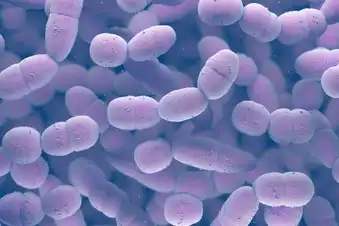
Pneumococcal disease is an infection caused by a bacteria called Streptococcus pneumoniae. The bacteria can infect different parts of your body.
You may have heard about it because your doctor or pharmacist suggested a pneumonia vaccination. Or maybe you’ve been sick with the illness before. From symptoms to vaccines, here are 12 myths and facts about pneumococcal disease.

Myth: Pneumococcal disease is easily treatable with antibiotics.
Fact: Some cases of pneumococcal disease may not respond to commonly used antibiotics, especially in older adults where the illness can become very severe.
Your doctor might start out with an antibiotic treatment plan, but that can change. You’re more likely to have problems with antibiotics if:
- You’ve recently taken them for another illness
- You had a lengthy hospital stay
- You work in a childcare center (or children who attend them)
- You have a weakened immune system
- You live in an area with higher levels of antibiotic resistance

Myth: Pneumococcal disease is very rare.
Fact: Pneumococcal infection is actually very common, and there’s a good chance someone you know has had it.
Close to one million adults in the U.S. get pneumococcal pneumonia every year. As many as 400,000 people are hospitalized every year because of it. It’s a primary cause of serious illness around the world.

Myth: You have to be over 65 to get vaccinated.
Fact: The pneumococcal vaccine is suggested for children under 5 and anyone over 50. The vaccine is also recommended for anyone who has a higher risk for pneumococcal disease.
Younger and older people are more likely to get sick from pneumococcal disease. That’s why the vaccine is suggested for people on each end of the age spectrum.
Myth: Pneumococcal disease isn’t really serious.
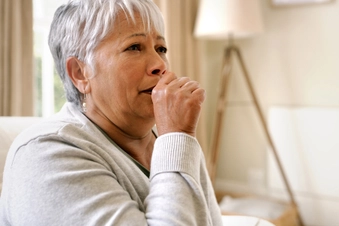
Fact: Pneumococcal disease can be very serious, even life-threatening. Pneumococcal disease, including pneumonia, hospitalizes almost 115,000 adults in the U.S. each year. The more serious form, invasive pneumococcal disease (IPD), causes death in about 10 people out of 100.

Myth: The risk for pneumococcal disease is the same at any age.
Fact: Although anyone can get pneumococcal disease, the risk is most serious for people:
- Over 65
- Young children
- Anyone with certain chronic conditions
If you’re healthy and over 65, you’re more than 10 times at risk of being hospitalized with pneumococcal pneumonia than if you’re younger. If you have a chronic condition like asthma, COPD, diabetes, cancer, or heart disease, your risk is also higher than normal.
Myth: If I’ve already had pneumococcal disease, I can’t get it again
Fact: You can get pneumococcal disease more than once.
There are some diseases – like the measles – that you usually get once in your life. Then you have lifelong immunity. But, like the common cold or the flu, you can get pneumococcal disease over and over again. That’s one reason getting a vaccination is so important.
Myth: Pneumococcal disease only causes pneumonia.
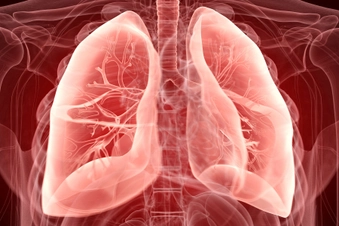
Fact: Pneumococcal disease can cause more than pneumonia. The disease can cause several types of infections such as:
- Pneumonia, an infection in the lungs.
- Meningitis, an infection of the lining of the spinal cord and brain.
- Sinus infection, inflammation in your sinuses
- Middle ear infection, also called otitis media
- Sepsis, an infection in the bloodstream

Myth: You need to get vaccinated every year.
Fact: You typically only need to get the pneumococcal disease vaccine once as an adult.
You may need to get a second dose one year later, depending on which vaccine you receive. There are several vaccines that target different strains of the disease. Your doctor will recommend the one that is right for you.
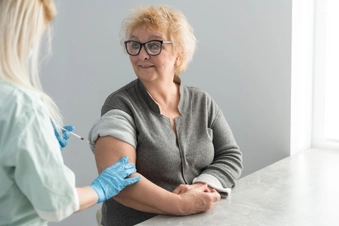
Myth: You can only get the vaccine in fall with the flu shot.
Fact: You can get the pneumococcal disease vaccine at any time.
You probably think of vaccines in the fall if you get an annual flu shot. It’s fine to get your vaccination for pneumococcal disease at the same time. But you can get your vaccination at any time during the year from your doctor or pharmacy. If you need a second dose, your doctor or pharmacist will tell you when to get it.

Myth: It’s hard to spread pneumococcal disease.
Fact: Pneumococcal disease can spread easily. The bacteria that causes pneumococcal disease can be passed through direct contact with an infected person’s respiratory secretions like respiratory droplets, mucus or saliva.
That means you can pick up the germs through coughing, sneezing, or just being in close contact with someone who is sick.

Myth: You can’t do anything to prevent pneumococcal disease.
Fact: You can do things to help prevent pneumococcal disease. The best way to prevent pneumococcal disease is through a vaccination.
But it’s also important to:
- Wash your hands regularly with soap and water.
- Disinfect common surfaces like doorknobs and counters.
- Limit contact with anyone who is sick.
- If you don’t feel well, wear a mask.
- Make sure you cough or sneeze into a tissue or your elbow.

Myth: The pneumococcal vaccine can cause serious issues.
Fact: Most people don’t have serious issues with the pneumococcal vaccine.
It’s likely you won’t have too many side effects with the vaccine. The most common issues are:
- Redness and tenderness where you got the shot
- Feeling tired
- Muscle aches
- Fever
If you have any side effects, they are usually gone in a couple of days.